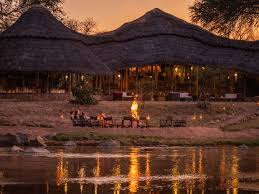
Ruaha National Park
Tanzania Wildlife & Safari
Discover Ruaha National Park with Akika Adventure Tours
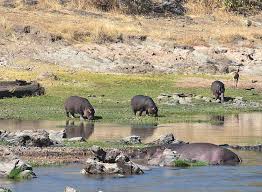
Ruaha National Park is the second-largest national park in Tanzania, renowned for its vast wilderness and unspoiled natural beauty. Located in the south central part of the country, the park’s relative remoteness has helped preserve its pristine ecosystems, offering visitors an authentic and exclusive safari experience. The park derives its name from the Great Ruaha River, which along with other seasonal rivers such as the Mwagusi, Jongomero, and Mzombe serves as a vital lifeline for its diverse wildlife. These waterways sustain an extraordinary concentration of animals, particularly during the dry season. Ruaha is one of Tanzania’s most remarkable wildlife destinations, combining dramatic landscapes with exceptional biodiversity. It is especially known for hosting species that are rarely found in other parks, including the greater kudu (Tragelaphus strepsiceros). The park’s largely untouched and unexplored environment ensures a unique and immersive safari experience.
About the Park
Getting There
By Air
Scheduled and charter flights operate to Ruaha from major cities such as Dar es Salaam, Dodoma, and Arusha. The park is served by airstrips at Msembe and Jongomero.
By Road
Approximately 130 km from Iringa Approximately 625 km from Dar es Salaam Roads are generally accessible year round, though conditions may vary during the rainy season
Accommodation
Accommodation options within and around the park include both Tanzania National Parks (TANAPA) facilities and privately operated lodges. Available options include:
Activities
Visitors to Ruaha National Park can enjoy a range of immersive safari experiences, including:
Best Time to Visit
Wet Season (January – April): Ideal for bird watching, lush landscapes, and wildflowers Dry Season (June – October): Best for wildlife viewing, especially along rivers June: Prime time to spot male greater kudu during their breeding season
Why Booking Tours with Us?
- Full time Support
- We are Experts
- Personalized Affordable Service
- Flexible Itineraries
- Safety Standards
Tanzania travel expert online
Need help? chat with us
Ruaha National Park Safari Packages
Featured
northern Tanzania
3-Day Ruaha Untamed Luxury into Tanzania Last Wilderness
Form $2980.00/ Per person